

Understanding eco-design in seismic operations
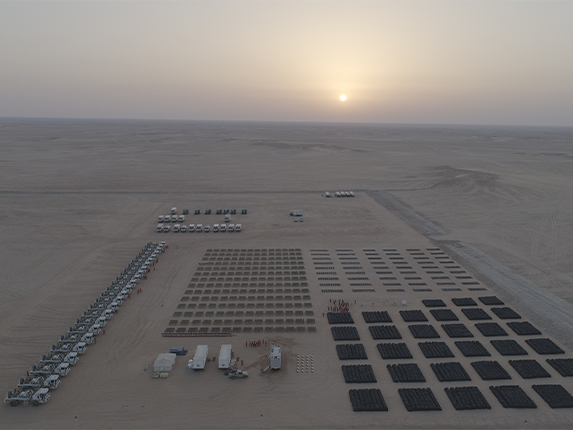
Eco-design is transforming the landscape of seismic operations by embedding environmental considerations from the very start of product development.
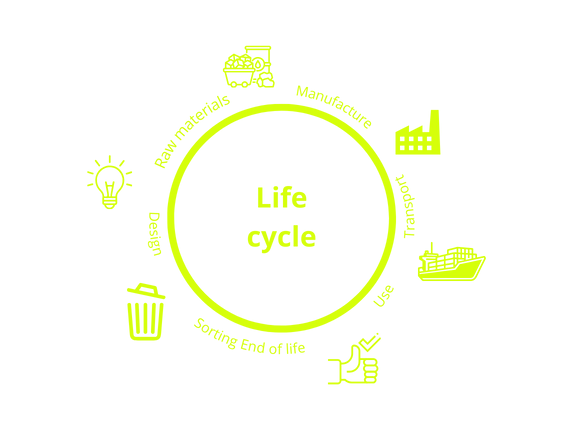
According to ISO 14006, eco-design involves minimizing the environmental impact of a product throughout its life cycle. This holistic approach ensures that every stage, from raw material extraction to manufacturing, usage, and end-of-life disposal, is optimized for minimal ecological footprint. Unlike traditional design methods that focus solely on functionality and performance, eco-design integrates sustainability without compromising on the efficiency or reliability of the equipment.
At Sercel, we are committed to supporting our clients in achieving their sustainability goals.
By incorporating eco-design principles into our seismic equipment, we not only enhance operational efficiency but also contribute to reducing the overall environmental impact of exploration activities. This dual focus on performance and sustainability is crucial for modern seismic operations, where the success of a project is increasingly measured by its environmental footprint.

The multi-stage and multi-criteria approaches

Operational efficiency and environmental benefits
Eco-design minimizes environmental impact and reduces operational costs during product use. Selecting eco-friendly materials, processes, and packaging significantly cuts carbon footprint and resources consumption.
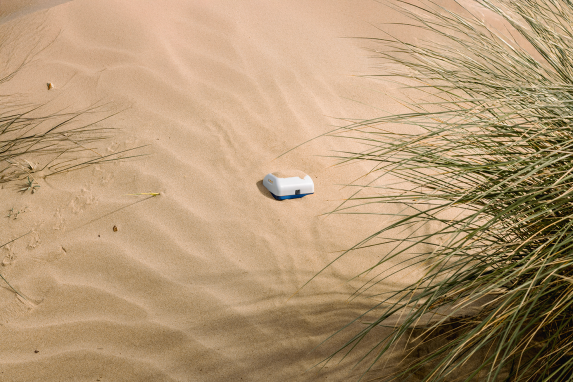
One of the standout examples of this approach is the Accel nodal system. Its compact design optimizes land-based seismic campaigns, lowering logistics and reducing vehicles and personnel. Simulations indicate a 50% drop in CO₂ emissions, water, and fuel use.
Accel’s Drop Deployment method accelerates deployment and reduces manpower without compromising data quality. This innovation improves efficiency and lowers operational expenditures (OPEX) by 30%, according to simulations.

Case study: Accel’s eco-design
The Accel nodal system exemplifies the successful integration of eco-design principles into seismic equipment. Its eco-friendly design is not just about reducing the environmental impact but also about enhancing operational performance. The compact form factor and lightweight materials make it easier to transport and deploy, significantly lowering the logistical footprint of seismic operations.
The Drop Deployment method, a direct result of Accel's innovative design, offers a dual advantage: it speeds up deployment times and reduces the number of personnel required on-site. This method ensures that high-quality data is collected efficiently, regardless of the terrain. By optimizing resource use and minimizing environmental impact, Accel’s design achieves a perfect balance between sustainability and performance.

Want to discover more about
our CSR commitments?
Amid growing concerns about corporate impact on the environment, Sercel embraces its responsibility for sustainable practices.