
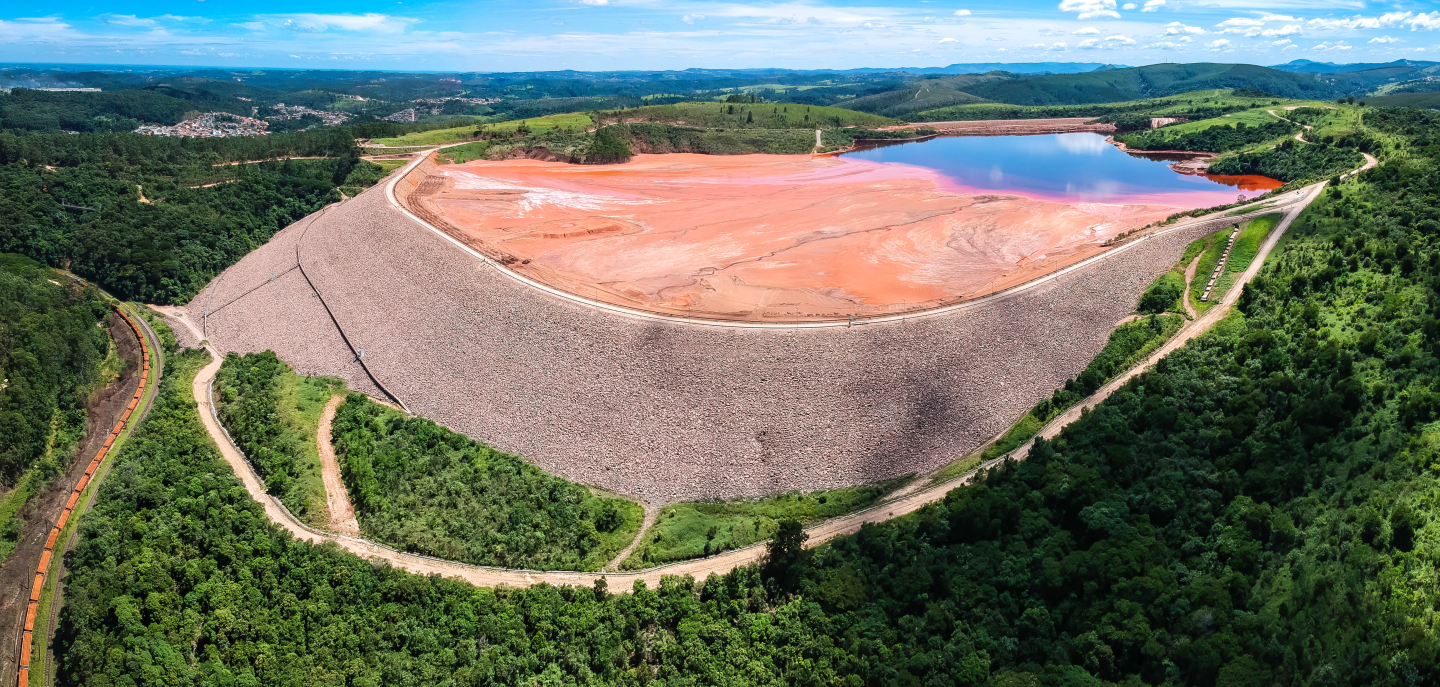
From Explosions to Ambient Noise: The Evolution of Geophysical Surveying
Seismic exploration has undergone a remarkable transformation since its origins in the early 20th century. Initially, active seismic exploration relied on controlled sources - most notably dynamite explosions - to generate sound waves and create the first detailed images of subsurface geology. This method revolutionized resource exploration, delivering unmatched resolution for decades.
However, active surveys come with significant challenges: high costs, complex logistics, and environmental impact. As exploration targets moved deeper and sustainability became a priority, the industry began searching for alternatives. Since the early 2000s, advances in sensor technology and computing have enabled passive seismic exploration, which harnesses natural ambient vibrations instead of artificial sources. This shift marks a major step toward sustainable, efficient, and low-impact subsurface imaging.
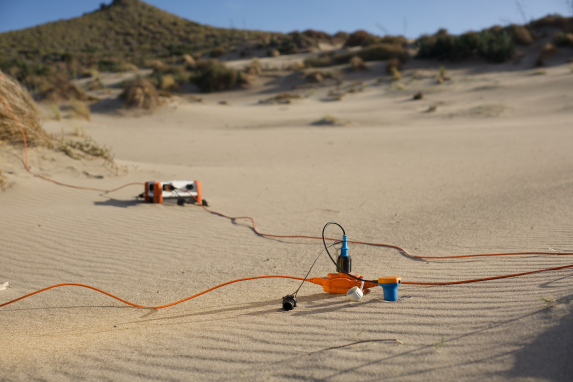
Active Seismic: Reflection and Refraction
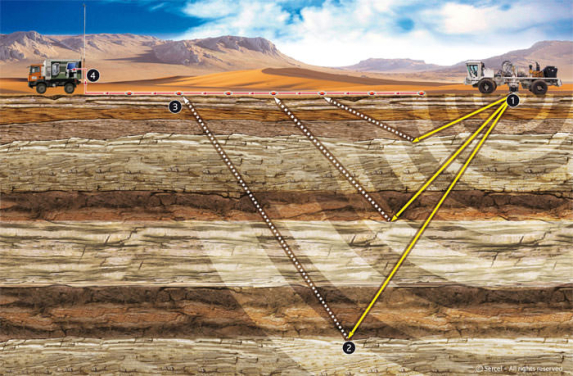
Active seismic methods generate seismic waves and record how they travel through the subsurface, providing a strong, controlled signal for detailed imaging. Two primary wave types are used:
Reflection: The most common method. When a seismic wave encounters an interface between rock layers (e.g., shale and sandstone), part of the energy reflects back to the surface. Measuring the travel time of these reflections allows geophysicists to determine depth and map subsurface structures. Reflection seismic delivers high-resolution images essential for identifying hydrocarbon traps or mineral deposits.
Refraction: When a wave reaches a higher-velocity layer, it bends (refracts) and travels along the boundary before returning to the surface. Refraction seismic is typically used to map shallow, high-velocity layers such as bedrock or the water table - critical for static corrections in reflection surveys.
Active sources: The Vibrator Truck
While dynamite was the historical source, modern active seismic primarily uses vibrator trucks. These specialized vehicles employ a heavy base plate to transmit a sweeping frequency signal (a "sweep") into the ground over several seconds.
How it works:
A hydraulic system applies force through the base plate, vibrating it across a controlled range of frequencies. This generates a consistent, repeatable, and non-destructive seismic source. The recorded seismic data is then "correlated" with the known sweep signal, boosting coherent energy and reducing random noise-effectively mimicking a sharp, high-energy impact for precise subsurface imaging.

Passive Seismic: Listening to the Earth
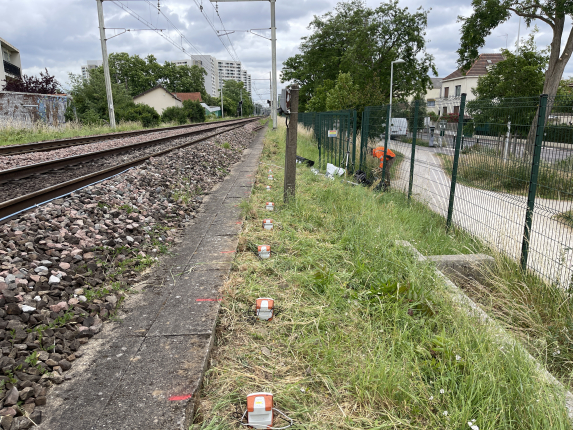
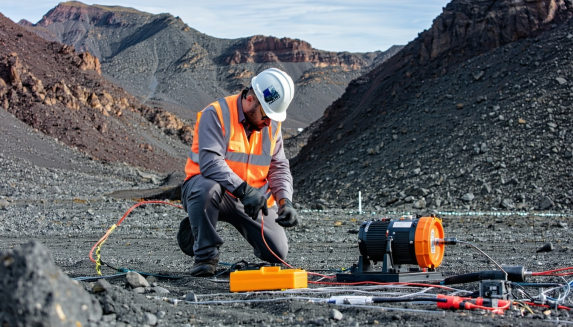
Passive seismic exploration uses highly sensitive sensors - often modern MEMS-based nodes - to record ambient seismic noise and signals from natural events such as distant earthquakes. This non-invasive technique eliminates the need for artificial sources, significantly reducing operational costs and environmental impact.
Opportunistic human-made sources (e.g., traffic or industrial activity) can also be leveraged, even though they are uncontrolled.
Key Passive Seismic Techniques:
Ambiant Noise Tomography (ANT): Uses continuous background vibrations to build velocity models of the subsurface.
Train-Induced Surface Waves: Exploits vibrations from rail traffic for imaging along transportation corridors.
Learn more about the three passive seismic approaches:
Hybrid Seismic: Bridging Active and Passive
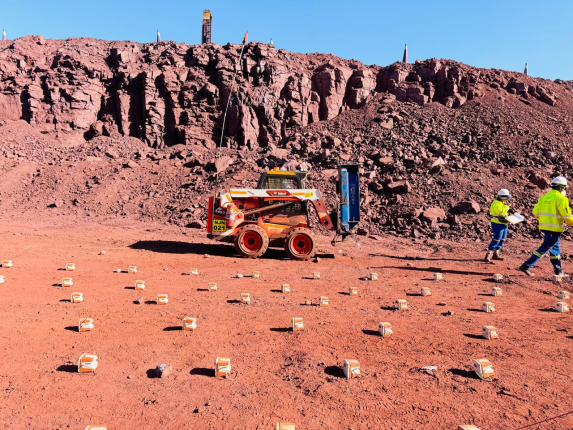
Hybrid seismic combines controlled sources with opportunistic vibrations from the environment. This innovative approach maximizes data acquisition efficiency by exploiting surface-wave propagation.
Benefits of Hybrid Seismic:
Reduced Costs and Acquisition Time: Using existing sources minimizes the need for heavy equipment or multiple controlled shots. The waves generated by traffic, for example, are often energetic (especially trains) and can be recorded continuously.
Improved Signal-to-Noise Ratio (S/N): Controlled sources provide local detail, while opportunistic sources often capture deeper or broader coverage.
Infrastructure Applications: Ideal for characterizing the subsurface along railway, roads, and mining sites without disrupting operations—critical for detecting geotechnical risks.
Choosing the Right Tool for the Subsurface Job
Active seismic remains the standard for projects demanding maximum detail, such as field development or complex geological modeling.
Passive seismic is a sustainable, efficient alternative for:
Reconnaissance and Screening: Quick, low-cost surveys to identify key geological features.
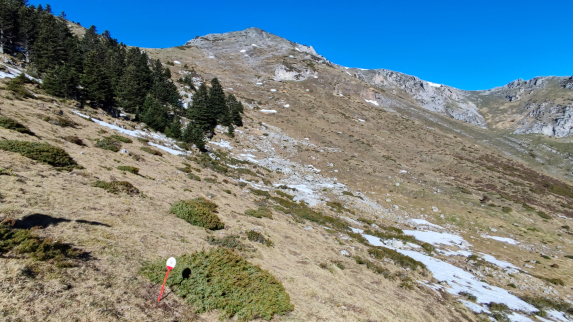
Challenging or Sensitive Areas: Effective where active sources are impractical (remote, rugged, or urban regions).
Cost-Constrained Projects: Valuable subsurface insights with minimal environmental impact.
The choice between active and passive seismic exploration depends on balancing cost, logistics, data quality, and required depth or resolution.
In that context, Sercel brings extensive expertise in hybrid seismic data processing, leveraging high-quality sensors and proprietary algorithms to deliver superior imaging results.