
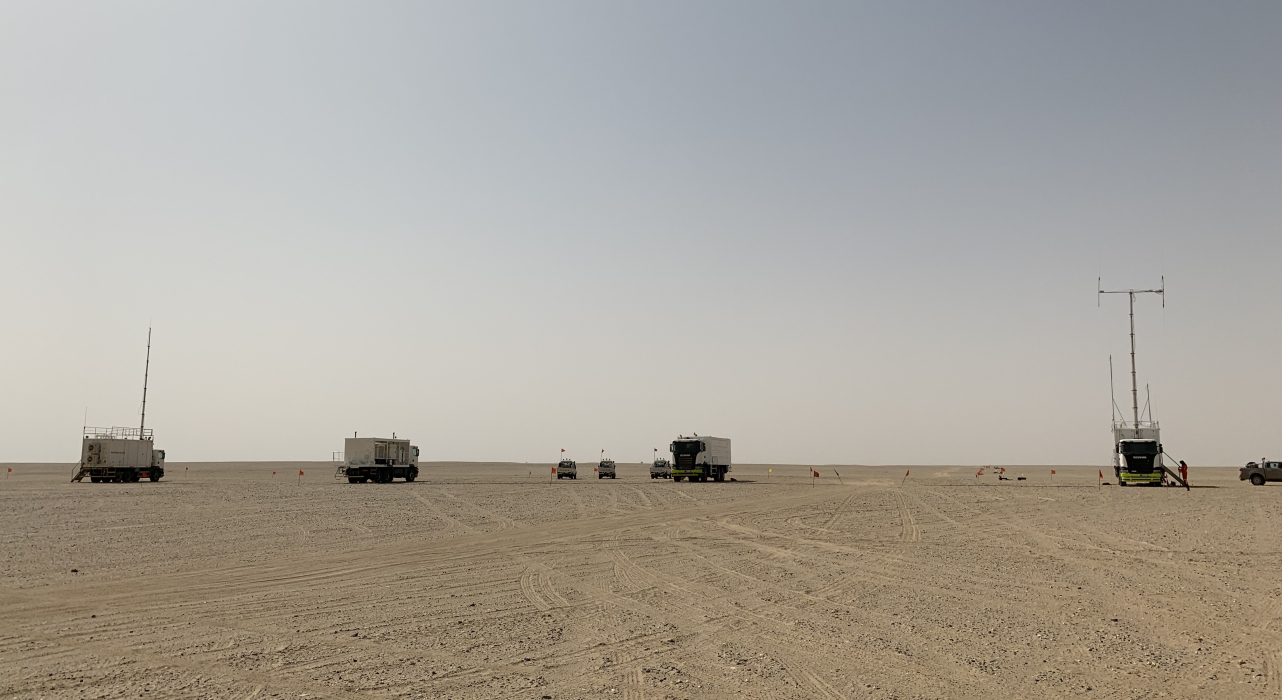
The case for nodal systems: flexibility in a wireless world

Nodal systems, also known as wireless sensors, are revolutionizing land seismic acquisition, and for good reason. Their primary advantage lies in their unparalleled ease of deployment and flexibility. By eliminating physical cables, nodal systems are simpler to handle and manage in the field, which can significantly reduce operational costs and setup times.
This flexibility makes them particularly well-suited for:
Complex Terrains: For surveys in challenging environments like mountains or jungles, where laying cables is impractical, wireless nodes are often the preferred solution due to their portability and adaptability.
Varied Grid Design: Nodal systems makes it easy to accommodate any type of receiver grid, from low to high density and from regular to random distribution, which is a major benefit for large-scale, high-productivity land surveys.
The enduring strength of cabled systems: the power of certainty
Despite the rise of nodal technology, cabled systems retain powerful and, in some cases, indispensable advantages. Their strength lies in providing real-time data and control, a critical factor for many projects.
The key benefits of cabled systems include:
Real-Time Quality Control: Cabled systems offer continuous, real-time QC of recording data and on-demand instrument testing. This allows operators to identify and resolve issues instantly, ensuring data integrity without costly delays.
Equipment Security: In certain environments, like sand dunes, the risk of losing nodal equipment (and its valuable data) is a real concern. Cabled systems make equipment recovery significantly easier and more reliable.
For these reasons, high-productivity surveys in open areas are still mainly executed using cabled systems.
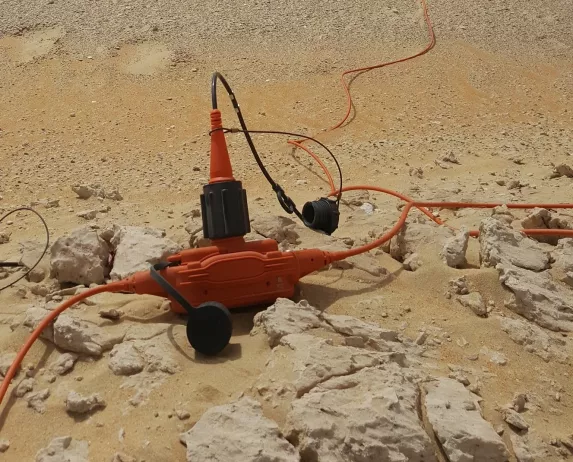
Beyond the basics: a decision based on your scenario
This choice is clearly not one-size-fits-all. The cabled vs. nodal debate is just one piece of a much larger puzzle. How does your choice of sensor - from traditional geophones to advanced MEMS - impact this decision? What is the ideal source strategy, and should you consider a single heavy vibrator over an array?
Answering these questions requires a deeper dive. This is where our comprehensive Choosing the Right Seismic Technology: Comparison Guide becomes an essential tool.

Choosing the Right Seismic Technology
The guide moves beyond this high-level overview to provide a detailed comparative analysis of key solutions based on real-world survey scenarios. It walks you through all the critical criteria - from operational efficiency and cost constraints to HSE compliance - and examines the leading technologies available today.
To make an informed, strategic choice that harnesses the best of both traditional and cutting-edge solutions for your project, download the full Comparison Guide from our webpage.