
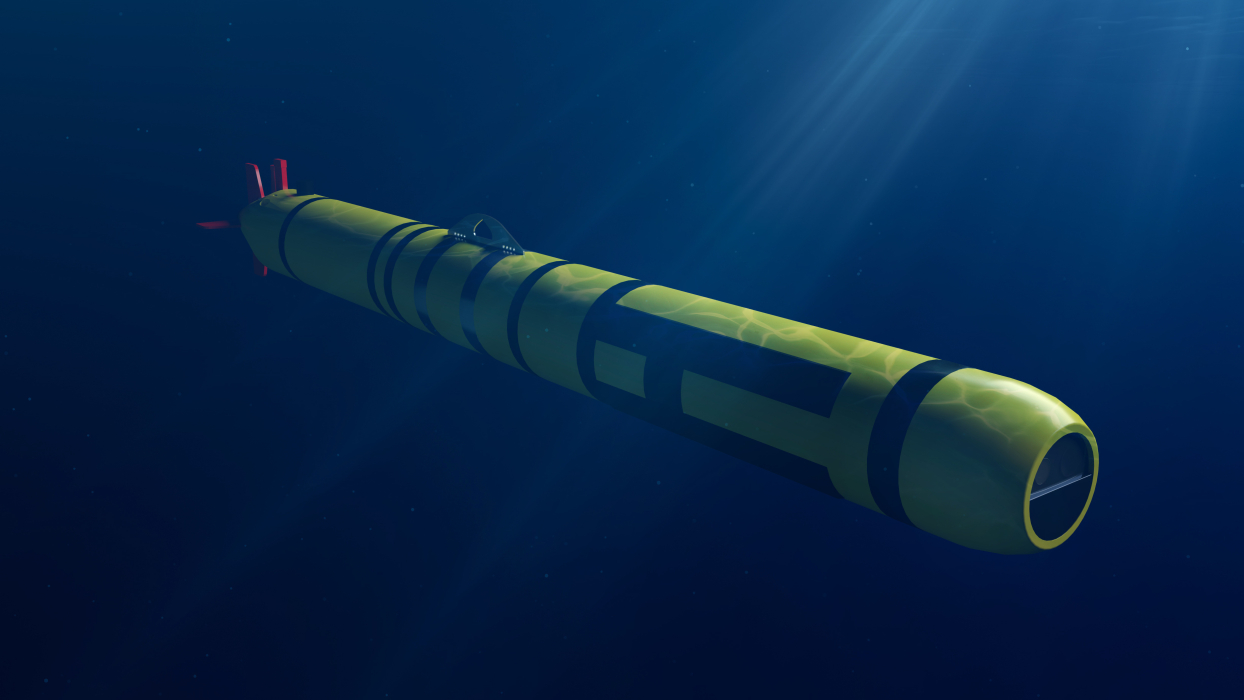
Acoustic sensors have long relied on unchanged technology: traditional hydrophones, which measure sound pressure alone. But, with the advent of vector sensors, a silent revolution is underway.
These sensors do more than just detect sound. They capture its direction, intensity, and 3D structure, paving the way for unprecedented applications, from underwater communication to environmental monitoring.
Traditional hydrophones vs. vector sensors: how do they both work?
Traditional hydrophones record pressure variations caused by sound waves but ignore a critical parameter: particle motion in the medium (water, air).
Vector sensors, on the other hand, combine:
- A hydrophone (for pressure).
- An accelerometer or velocity sensor (to measure particle displacement).
Result: A 3D reconstruction of the sound field, with unparalleled precision in locating and characterizing sound sources.
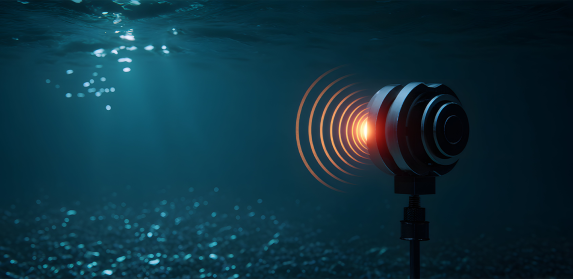
Key advantages for underwater communication
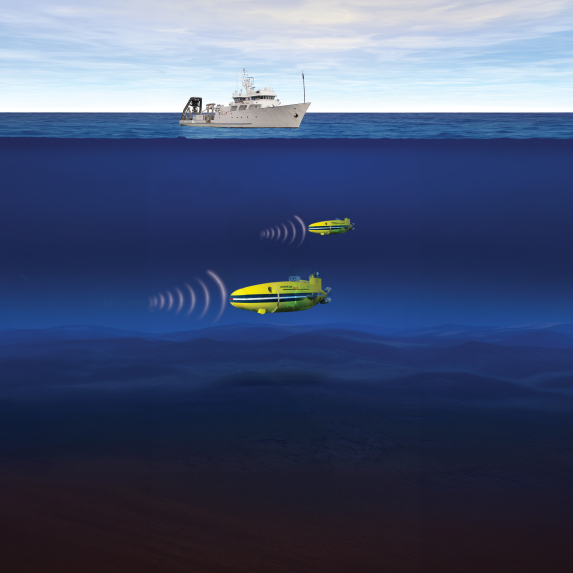
Precision and localization: directional detection
Vector sensors distinguish sounds from different directions, reduce interference and improve clarity in underwater communications.
Example: in a noisy environment (ports, maritime traffic), a sonar system equipped with vector sensors can isolate a diver’s voice or a specific submersible.
Interference reduction: spatial filtering
By identifying the direction of noise sources, systems can actively attenuate disturbances (machinery noise, waves).
Application: secure communications for submarines or autonomous robots.
3D mapping and acoustic imaging: scene reconstruction
Enables the creation of 3D models of underwater environments, useful for underwater archaeology (shipwrecks, geological structures) and ecological monitoring (cetacean migration, reef health).
Energy efficiency and stealth: lower power requirements
Due to their sensitivity, vector sensors can operate with weaker signals, reducing energy consumption and detectability (critical for military applications).
Conclusion
Vector sensors represent far more than a technological improvement, they are a paradigm shift in how we perceive and interact with the underwater sound world.
By adding directional and spatial dimensions to acoustics, they transform long-standing challenges (noise, interference, localization) into opportunities for innovation. At a time when oceans are becoming a strategic issue - for energy, defense, or the environment - these sensors could well be the key to listening to the invisible.
Like upgrading from a black-and-white camera to 3D color, suddenly, you see depth and direction.
A PARADIGM SHIFT IN UNDERWATER SOUND
Interested in learning more about Sercel’s unique know-how in underwater acoustic communication and, more specifically, vector hydrophones ?
Speak with an expert and explore what vector sensing can do for you.