
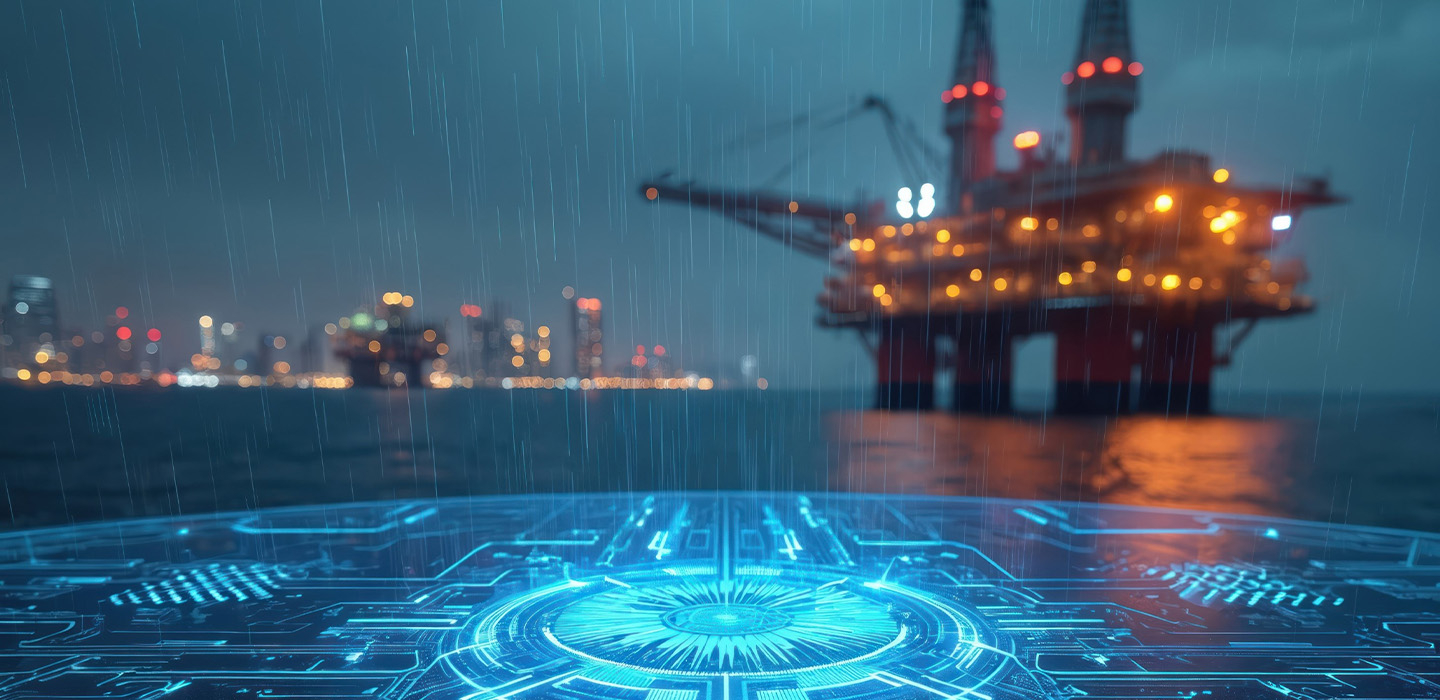
Across conversations with operators, marine coordinators, logistics teams, and HSE leaders, one theme kept emerging: organizations have more information than ever, yet coordinating complex offshore activity is becoming harder, not easier.
The setup most operators are running looks familiar: AIS for vessel positions, a planning tool, a weather platform, a SIMOPS procedure, and then spreadsheets doing the work no one else can. Each one does its job. But they do not talk to each other, and that gap is where problems live.
Conflicts between planning and reality go unnoticed until they become urgent. Risk turns up late. Decisions get made on instinct. At OI 2026, these challenges resonated strongly because they reflect the daily reality of offshore operations. The problem is no longer visibility. The problem is operational alignment.
how does Marlin enable true Maritime Domain Awareness?

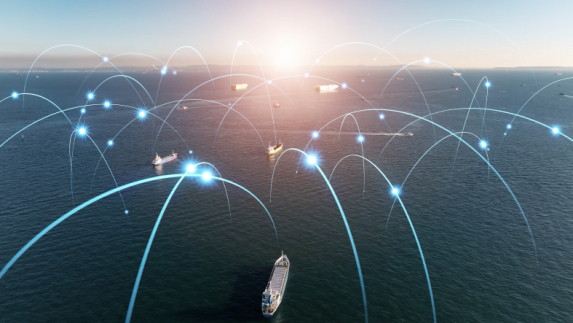
Unlike many standalone systems, Marlin acts as an operational integration layer, connecting those pieces into one live environment: vessels, assets, logistics, and offshore activities together.
At the core of this is a digital twin of offshore operations, a live model that shows what is happening, what constraints exist, and what conflicts are developing before they become problems. The result: fewer last-minute operational stand-downs thanks to proactive resequencing.
OI 2026 confirmed something we strongly believe: the industry is moving beyond "should we digitize?" toward "how do we connect our operations?" Marlin is built to answer that question.
The organizations that succeed will not be those with the most software. They will be those with the most operational clarity.
Explore the full analysis
The latest edition of Oceanology International was an opportunity to discuss the challenges facing the industry. Allan Campbell, Head of Business for Marlin, presented how a digital twin-based approach can enhance MDA across offshore fields, supporting safer and more efficient operations.